Mostrar mensagens com a etiqueta blogues. Mostrar todas as mensagens

quinta-feira, 14 de fevereiro de 2019

segunda-feira, 4 de fevereiro de 2019

[artes visuais] interessante e a explorar...


January 2019 Issue
some images from the blog
From the Blog

How to Clean Your Paint Brushes (Watercolour, Acrylic, Oil)
In this short and sweet video, learn how to clean your acrylic, watercolour and oils paint brushes and re-shape them if the bristles are splaying.
How to Paint Still Life Like Cézanne
No-one paints still life quite like Cézanne...until YOU came along that is. From how to set up a still life composition to making colour palette choices, this is a joy for anyone wishing to learn how to paint in the style of one of the world's most famous post-impressionist artists. With artist Lucy Somers.

Alcohol Inks - Surfaces and More Techniques
A medium ever-growing in popularity, alcohol inks are such a fun way to experiment in creating vibrant artwork and Tammy Crawford is on hand to take you through the process . Think jewelled tones and pretty patterns.

Wintry Scenes Part 1: How to Draw Trees in Ink
As we continue to wrap up warm against the winter chill  (at least for us lot in the northern hemisphere) there couldn't be a better time to appreciate the beauty of trees without their leaves. Check out guest tutor Julie Askew's tips and why not have a go at drawing some of the trees in your garden or local park?

Wintry Scenes Part 2: How to Paint Snow in Acrylics
Moving on from using inks, this blog is about how to paint snow-laden branches that sparkle using acrylics. It actually involves using more colours from your palette than you may realise!   

Which Drawing or Painting Medium Should You Start With?
Whether you're a beginner, or maybe you've become a little lost along your creative journey, this blog will take you right back to basics and help you determine which drawing or painting medium is the perfect fit for you.

How to Photograph Your Artwork (For Non-Photographers)
For any self-confessed 'non-photographers' out there Phil has written a guide on how to take great digital images of your work, using just a smartphone and some easy-peasy photo editing. You've worked hard on that piece of artwork, it's time to show it off.
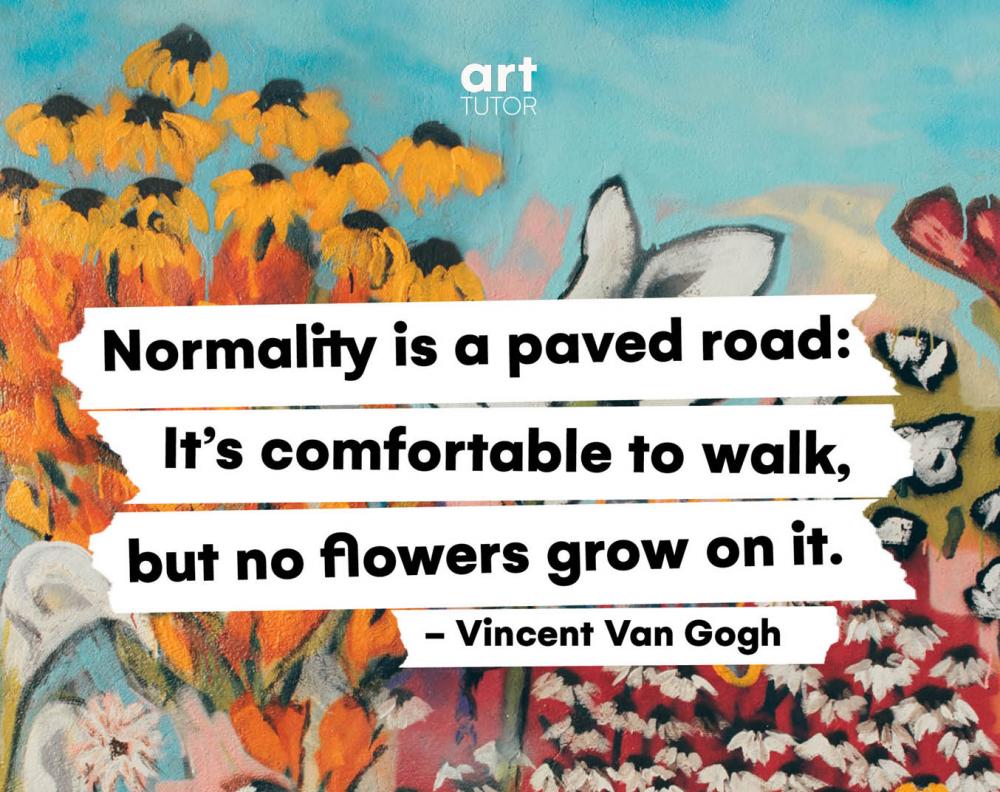
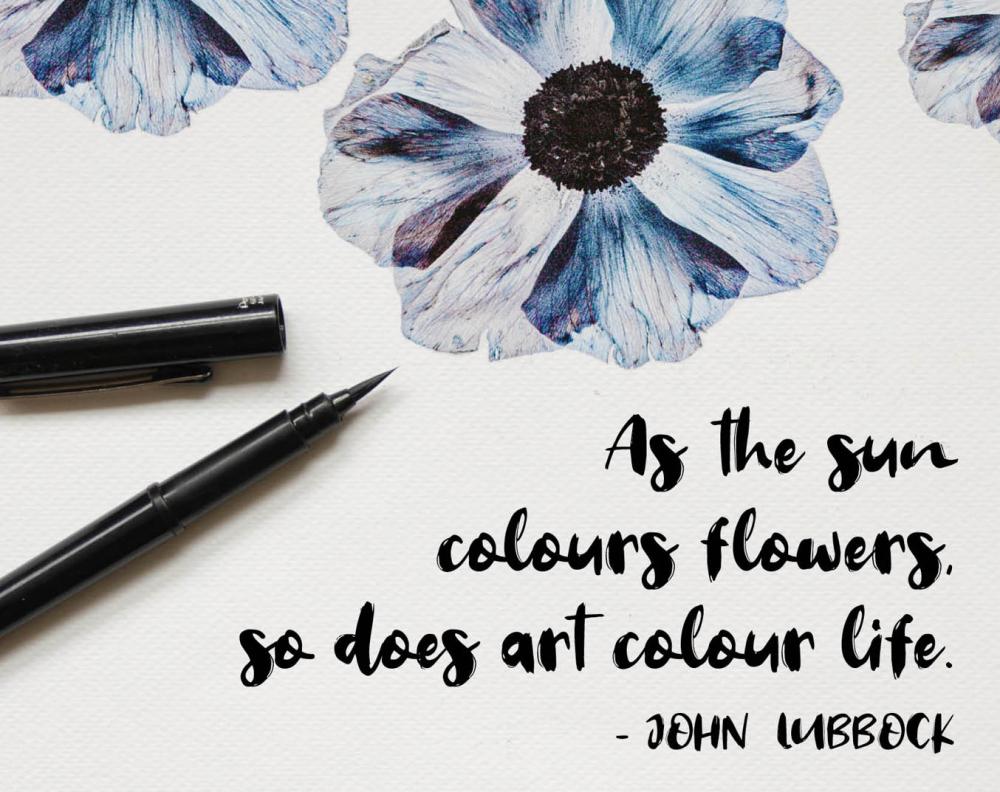
Quote: As the sun colours the flowers, so does art colour life by John Lubbock
Reader Poll: Where do you make most of your artwork?

The dining room table? The kitchen table? A spare bedroom perhaps? Or maybe you’re lucky enough to have a dedicated art space? Cast your vote and see where others make their art.
NEW Classes & Courses
the cover graphic for this course
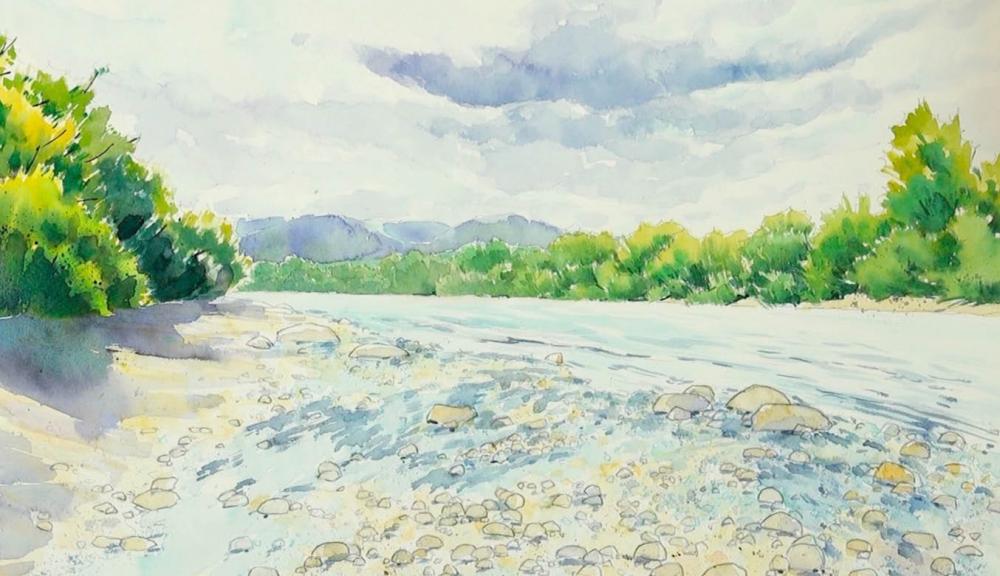
River Scene in Watercolour
This simple river scene provides the opportunity for any watercolour newbie to combine paint and pencil to create detail. With artist Michele Illing.
the cover graphic for this course
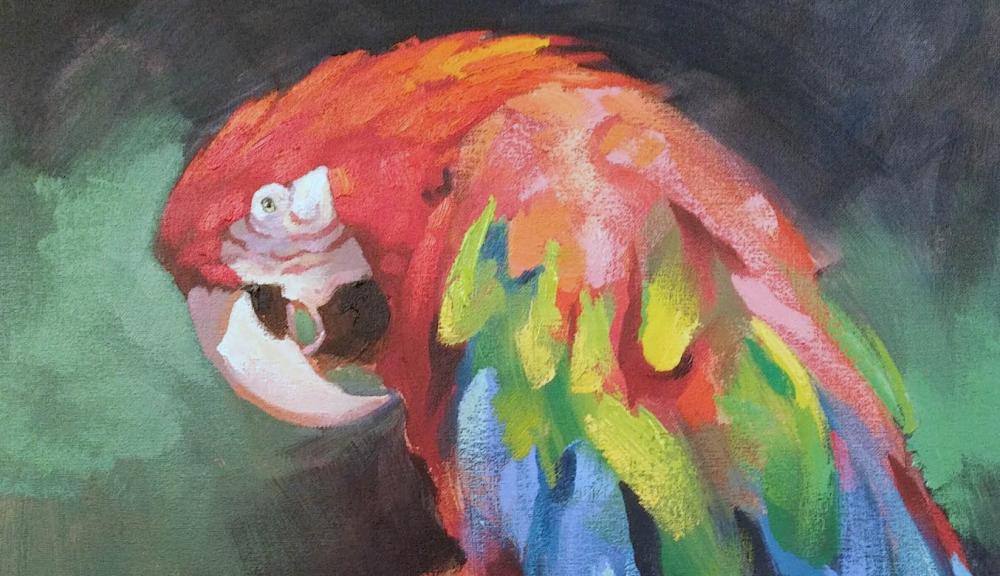
Macaw in Acrylics
Wildlife artist Tom Shepherd demonstrates how not to get in a flap when painting this brightly-feathered Macaw in acrylics (suitable for oils).
the cover graphic for this course
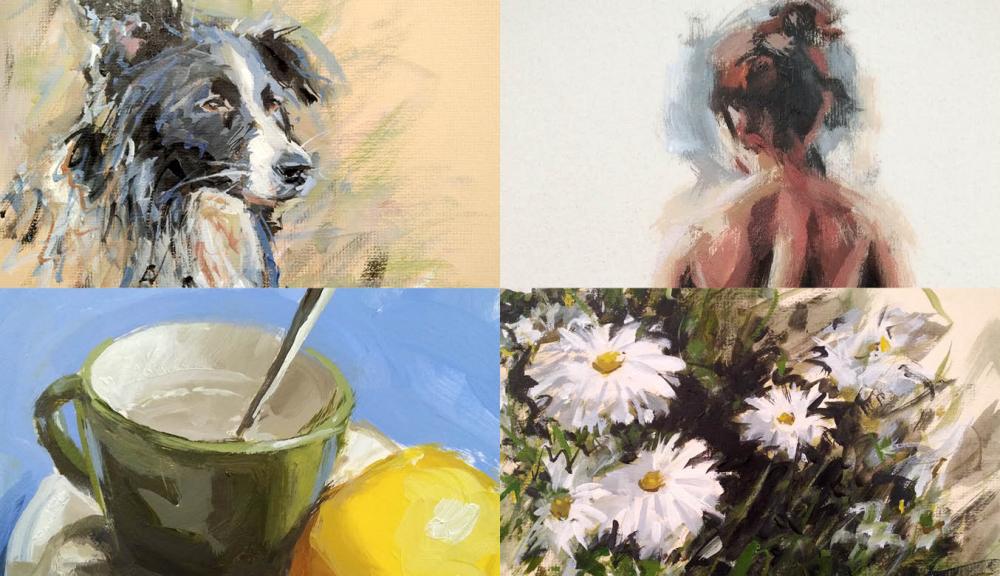
The Painted Sketch - Acrylics & OilsDid you know that creating quick, loose paintings in around 30 minutes can improve your artwork longterm? Artist Peter Keegan shows you how in The Painted Sketch course.
the cover graphic for this course
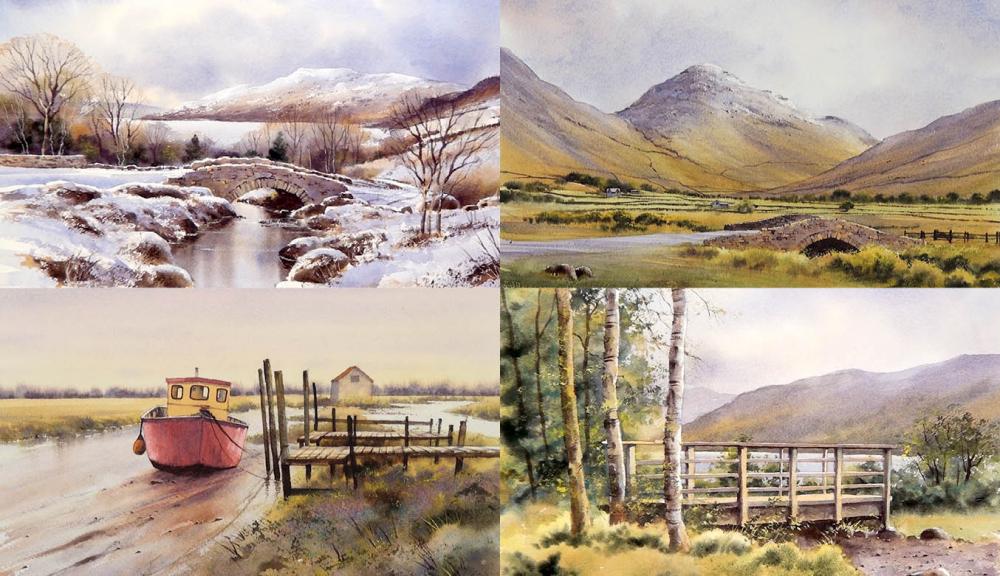
Advanced Watercolour Landscapes 4
Some of artist Geoff Kersey's favourite spots in the UK provide picture-postcard views for any artists looking to advance their watercolour skills.
the cover graphic for this course
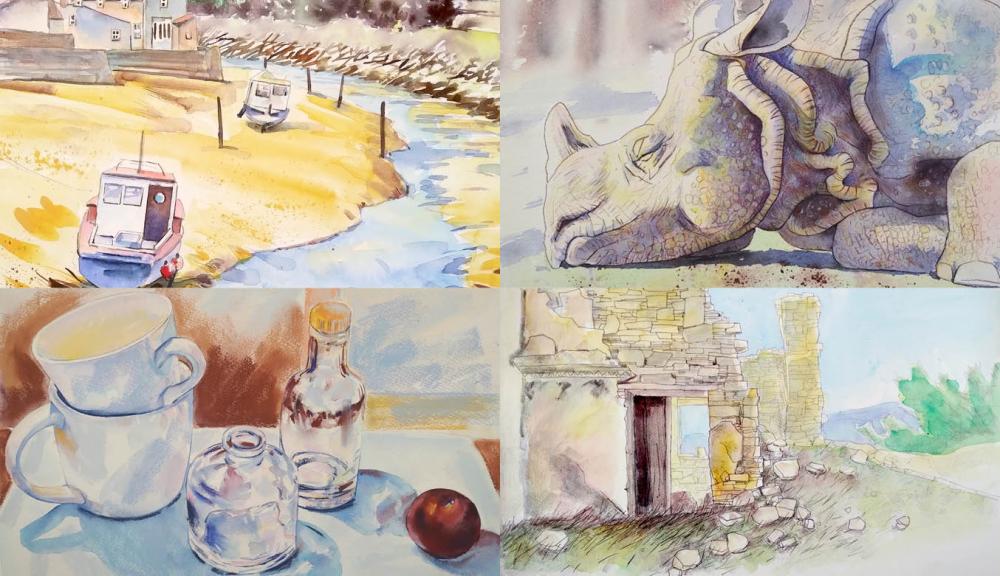
Mixed Media PaintingArtist Michele Illing explores the possibilities that open up when combining watercolour paints with other mediums such as pastels and watercolour pencils.
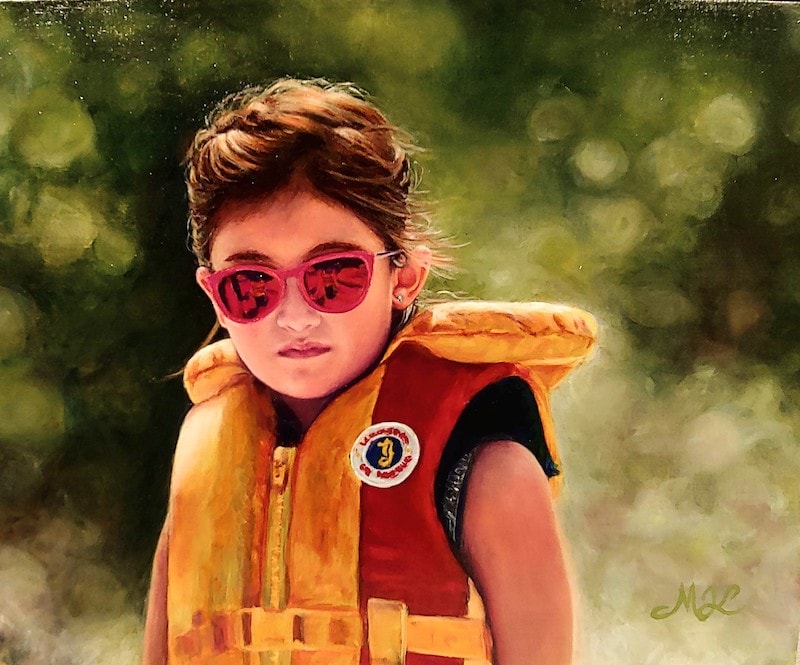
Mira - a portrait of a young girl in oils
"Mira" by Myrna Jean - Oils on canvas
Member Artwork Showcase

ArtTutor member Myrna Jean was a commissioned by a co-worker to complete a painting of his daughter. This incredible oils portrait is the result.

I love the way she's captured the light on the left side of Mira - particularly in the hair. The shades with their bold monochromatic reflections really grab your attention and pull your gaze back to the face.

While the choice of colour, value and blending are all superb, I can tell this will be a strong likeness even without seeing the reference. Whenever a portrait looks really natural and the face well-proportioned, the chances are the likeness will be strong. Take your time over the drawing out stage and continually check the proportions, shapes and positions of facial features as you render them in your medium of choice.

The defocused background is a great choice for any portrait - human or animal. The contrast with sharp, crisp detail gives the subject a drama and importance. The same 'depth of field' trick has been used in Hollywood for decades.

A fantastic painting that I'm sure the will have delighted her colleague!

Phil Davies
Cover graphic for this course
Get a headstart on improving your drawing for 2019

With
40% OFF our 5-Day Sketching Challenge Course. Here at ArtTutor, we're staunch believers that good drawing technique is the foundation for any creative process. Sketch your way to success using discount code 40SKETCH
at the checkout.
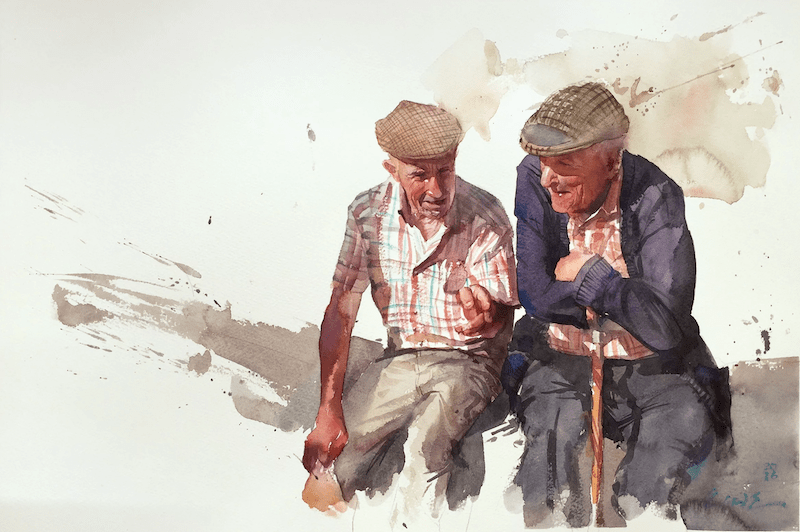
Watercolour figures by Eudes CXorreia
Worthy Follow for Stunning Watercolour Portraits

Check out Eudes Correia on Instagram (search: eudes_watercolor). He paints the most incredibly captivating watercolour portraits making full use of the medium's alluring colour bleeds!

Follow Eudes Correia on Instagram
Quote: As the sun colours the flowers, so does art colour life by John Lubbock
Get tips, blogs and inspirational art as we publish it by following us on social media...


See you in the next issue!


via mensagem...

terça-feira, 9 de outubro de 2018

educação... aprendizagem organizacional e estrutras colaborativas


"Much of the dysfunction in schools is a result of the historical isolation of classrooms and schools as compartmentalized hierarchies. This establishes teaching as individualistic rather than as a collegial enterprise. Many problems identified specifically with ineffective teaching practices are attributed to teacher isolation. Isolated classroom cells are symbolic of teachers working out of sight and hearing of one another and solving problems on their own. This professional isolation operates as a bulwark against school improvement and can be a useful priority for many schools and district leaders.

Learning is a social enterprise and people learn best in groups. Collaborative structures help to decrease teacher isolation, codify and share successful teaching practices, increase staff morale, and open the door to experimentation and increased collective efficacy. Collaborative environments are also likely to attract talented staff who thrive on interactions with like-minded talented individuals. High levels of collaboration are likely to exist when the leadership marks it as a priority, when common time and physical space are set aside for collaboration, and when teaching and learning are seen as a team responsibility, rather than an individual responsibility.

Collaborative structures imply the provision of both time and space for teachers to interact. Time is perhaps the most precious resource, and time to meet and talk is an essential resource for schools. Collaboration is time-consuming and staff need to be provided with adequate time to interact. The movement from ‘me’ or ‘I’ to ‘us’ or ‘we’ requires frequent teacher interactions which can be achieved through common planning time, team-teaching, and coaching and mentoring.

Physical structures also need to support collaborative learning. Classrooms, staff workspaces, and furniture all either reinforce or detract from collaboration. Schools should be designed more like advertising agencies than prisons. The provision of comfortable sofas and water fountains can do a great deal to support collaboration.

The most important outcome of teacher collaboration may be that teachers learn how to improve their teaching practice. When teachers collaborate, they share experiences and knowledge that can promote learning for instructional improvement. A team focus on learning helps teachers to discover causal connections between teaching and student learning and encourages collective questioning of ineffective teaching routines. High levels of teacher collaboration are also likely to improve teaching and learning, student behavior, and student achievement on high-stakes tests.

Teachers who work collaboratively think and behave on the basis of an understanding of teaching as a shared responsibility. The scrutiny of peers is welcomed. Collaborative structures enable teachers to learn from the experience and expertise of their peers. However, just because teachers work together does not mean that the outcomes will be positive, as there needs to be an appropriate knowledge base from at least one teacher for it to be worthwhile.

Merely placing staff into teams will not necessarily lead to improved learning. There is the problem of contrived collegiality, where the collaboration is promoted as a means of achieving executive purposes, rather than the goals of the teachers. Communication and interdependence are methods of overcoming the balkanization of the silo-like subject-based teams in high schools. Developing cross-disciplinary curriculum structures is another possible method of overcoming the problem of balkanization.

Organizations learn collectively in groups and collaborative structures enable people to work together in teams to accomplish collective purposes."


For more, see:


via getting smart...

segunda-feira, 10 de setembro de 2018

não sei ao que venho, mas sei para onde vou...

"a geração maldita?

É minha convicção, não apenas pelo que leio e ouço, mas mesmo por observação directa, que grande parte da classe política tem um ódio – ou desafeição, para os casos menos graves – particular pela classe docente, mesmo quando saíram dela ou em especial nesses casos. É uma espécie de “luta de classes”, num sentido estranho e algo esquizóide da parte daqueles que parecem querer encapsular-se num mundo muito próprio de “eleitos” (em vários sentidos). Essa desafeição ou ódio é partilhado por um conjunto alargado de gente com posições de relevo na comunicação social. Não vou fazer consultas digitais ao domicílio sobre as causas. Quando falamos directamente com algumas das pessoas percebemos a razão, não sendo raro que depois de despejarem a bílis nos digam que somos, claro, uma excepção à regra.

Isto aplica-se em especial aos que que acham ser professor@s velh@s e inadaptados ao que eles acham as novas tendências, seja da pedagogia “progressista” (caso de académicos, em especial na área das ciências da educação e da formação de professores), seja da “racionalidade financeira” ou da “nova gestão pública” (caso de economistas de 2ª e 2ª linha ou transformados em políticos ocasionais com aspirações a salvar a pátria, desde que paguemos aos bancos os buracos e as rendas às empresas privatizadas ou parcerias público-privadas).

Para essa gente – sim, começo a ceder a uma linguagem mais agressiva perante a nova investida em curso de gente medíocre com nome no mercado – @s professor@s, em especial @s que nasceram ali pela década de 60 e inícios de 70, que andam pelos 45-50 anos e ainda não desistiram de resistir, são para exterminar pelo esgotamento físico e psicológico ou pela humilhação pública. Querem-nos fora da carreira, para dar lugar aos “novos” que ficarão profundamente agradecidos pela “oportunidade”, pelo lugar no quadro, que se espera serem adequadamente desconhecedores do que se passou no sistema de ensino em outras décadas ou que, pura e simplesmente, se estão nas tintas para isso, desde que empurrem os “velhos” borda fora. E borda fora nas piores condições materiais, porque tudo deve ser feito de um modo acintoso.

Conheci gente assim no PS e PSD, os dois partidos que têm liderado a governação nos últimos 40 anos, a que se junta alguma desconfiança do PCP em relação a tudo o que se possa assimilar a “trabalho intelectual” e a concepções menos indiferenciadas do proletariado. O CDS gosta de professores, se forem assalariados no ensino privado, enquanto o Bloco oscila muito, porque há uma grande diferença entre a velha UDP e os urbanitos do PSR e demais plataformas criadas com a queda do Muro de Berlim.

Sim, é verdade, tenho uma tendência esquizóide (a mesma lá de cima) que me faz sentir que a classe docente não tem qualquer aliado natural nos partidos com assento parlamentar permanente (nem falo do PAN, para não ser demasiado sarcástico e dizer que nos defenderão apenas quandoformos assumidamente tratados como animais), o que devolvo com a minha natural animosidade por todas as nomenklaturas que trocam quaisquer princípios “fundadores” por conveniências circunstanciais (sejam de nomeações estratégicas em comissões centrais ou regionais, seja de distribuição de fundos locais e outras tenças com origem europeia).
Sim, acredito que a classe docente não pode ter qualquer esperança numa classe política que se define pela qualidade/mediocridade de quem promove ou dos métodos que usa para anular o poder judicial quando lhe chega aos calcanhares. E muito menos aqueles que, na classe docente, têm idade e ainda têm condições para se lembrar de onde vieram estes velhos jotistas e o que fizeram em verões passados.
O que eles pretendem é domesticar qualquer autonomia dos docentes com capacidade crítica, mesmo quando defendem o “pensamento crítico para o século XXI”. A menos que fiquem caladinhos e sossegadinhos. O “sucesso” e a “inclusão” são apenas para os humildes e amochadinhos. E não perturbem os acordos de bastidores ou pressionem os sindicatos para desalinharem do que estava combinado. E muito menos contestem as “hierarquias”.

Se o fizerem, serão castigados em público e, por acção ou omissão (dos sonsos e hipócritas que dizem que até concordam com as queixas dos professores, mas que “é difícil” satisfazê-las ou fazer qualquer coisa “atendendo às circunstâncias”) pressionados até não aguentarem mais e depois serem apontados como maus profissionais, absentistas ou falsos doentes. Infelizmente, cada vez mais, com a colaboração de kapos locais, inebriados pela insignificância do seu poder na cadeia hierárquica e pela sensação de impunidade.

O Senhor certamente me perdoará a prosa dura no seu dia, pois em nada contraria a sua palavra (Êxodo, 20:16)."


Haddock


comentário:
desde os primórdios da blogosfera que há vários nomes que tenho guardados, por bons e maus motivos...
é claro que não os vou citar, nem àqueles nem a estes.

mas salvaguardo um, que hoje me merece destaque pelo tórrido texto que produziu no seu 'quintal' e deve (deveria causar) causar 'fanicos' a muito boa gente (como se viu al longo destes últimos anos) - falo do paulo guinote.

o meu agradecimento pela lucidez em pôr, preto no branco, o que muita gente pensa mas não tem coragem, sequer, para verbalizar quanto mais deixar com a sua marca pessoal.


quinta-feira, 6 de setembro de 2018

a ler para discutir a coisa...

reMarkable Blog
View blog
Digital devices in the classroom: A learning aid or a toxic distraction?
Digital devices in the classroom:
A learning aid or a toxic distraction?
While some schools are introducing iPads as part of their daily curriculum, and others are banning all digital devices entirely; the topic of devices in the classroom is hotly debated, especially as we enter Back To School season.
Read more
rM
fb insta tw
© 2018 reMarkable All Rights Reserved